
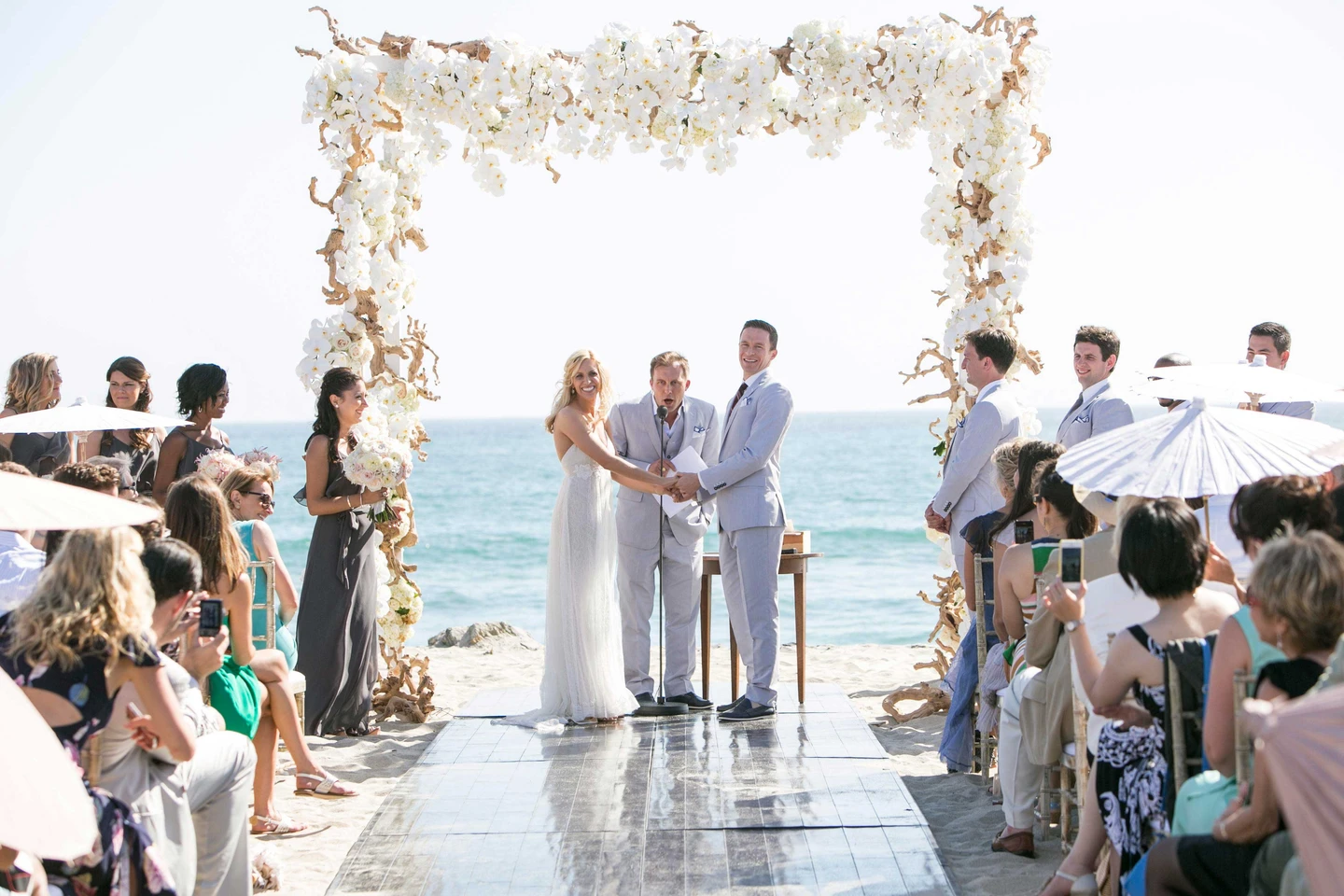

A wedding is more than a ceremony—it’s a celebration of love, identity, culture, and commitment. Whether you envision a classic church ceremony, a dreamy beach celebration, or a modern minimalist gathering, thoughtful planning can transform your ideas into an unforgettable experience.
Understanding the Essence of a Wedding
A wedding symbolizes the union of two individuals and the merging of their families and traditions. It’s a deeply emotional milestone shaped by personal preferences, cultural roots, and shared dreams.
Why Weddings Matter
- Affirmation of Commitment
- Celebration of Love with Family and Friends
- Cultural and Spiritual Traditions
- Beginning of a New Chapter Together
Popular Wedding Styles and Themes
Selecting a theme helps set the tone and influences décor, attire, venue, food, and photography.
Classic Wedding
Timeless elegance featuring formal attire, traditional vows, soft color palettes, and structured ceremonies.
Rustic Wedding
Natural tones, outdoor venues, wooden décor, and a relaxed atmosphere define this heartwarming theme.
Modern Minimalist Wedding
Clean lines, neutral colors, and a simple yet sophisticated aesthetic.
Beach or Destination Wedding
Perfect for couples who love scenic views, fresh air, and a vacation-like celebration for guests.
Cultural or Traditional Wedding
Honors family roots through rituals, attire, music, and customs meaningful to the couple.
Key Elements of a Successful Wedding
1. The Venue
A venue sets the mood. Consider:
- Capacity
- Weather provisions
- Accessibility
- Indoor vs. outdoor ambiance
2. The Décor
Décor brings life to the theme. Popular elements include:
- Floral arrangements
- Lighting
- Table settings
- Backdrops for photography
3. The Attire
From bridal gowns to traditional garments, attire reflects personality and heritage.
4. The Ceremony
Vows, readings, and symbolic rituals form the emotional heart of the event.
5. Reception Experience
Make guests feel cherished with:
- Welcoming seating plans
- A delicious menu
- Music and entertainment
- Thoughtful favors
Budgeting and Planning Tips
Create a Realistic Budget
Estimate costs early, prioritize must-haves, and leave room for unexpected expenses.
Draft a Timeline
A structured timeline reduces stress. Include:
- Dress fittings
- Invitations
- Vendor bookings
- Rehearsal planning
Work with Trusted Vendors
Photographers, florists, planners, and caterers contribute to the event’s success.
Focus on Personalization
Add personal touches to make the celebration truly yours:
- Custom vows
- Unique décor pieces
- Cultural traditions
- Signature menus
Enhancing the Guest Experience
Guests are part of your story. Consider:
- Clear communication about schedules
- Accommodation suggestions
- Transportation arrangements
- Comfortable seating and ambience
FAQs
1. How far in advance should a couple start planning a wedding?
Most couples begin planning 10–14 months ahead to secure preferred venues and vendors.
2. What is the average guest count for a wedding today?
Guest counts vary, but many modern weddings host between 80–150 guests.
3. How do couples choose the right wedding theme?
A theme should reflect personal style, budget, and the desired atmosphere.
4. Should the ceremony and reception be at the same venue?
It depends on convenience, cost, and the experience you want to create.
5. How can couples reduce wedding-day stress?
Preparation, delegation, and hiring an experienced planner help ease the pressure.
6. What’s the best way to make a wedding more personal?
Incorporate stories, cultural rituals, customized vows, and meaningful décor.
7. What are the most important vendors to book first?
Venue, photographer, caterer, and wedding planner are typically top priority.
Comments are closed.